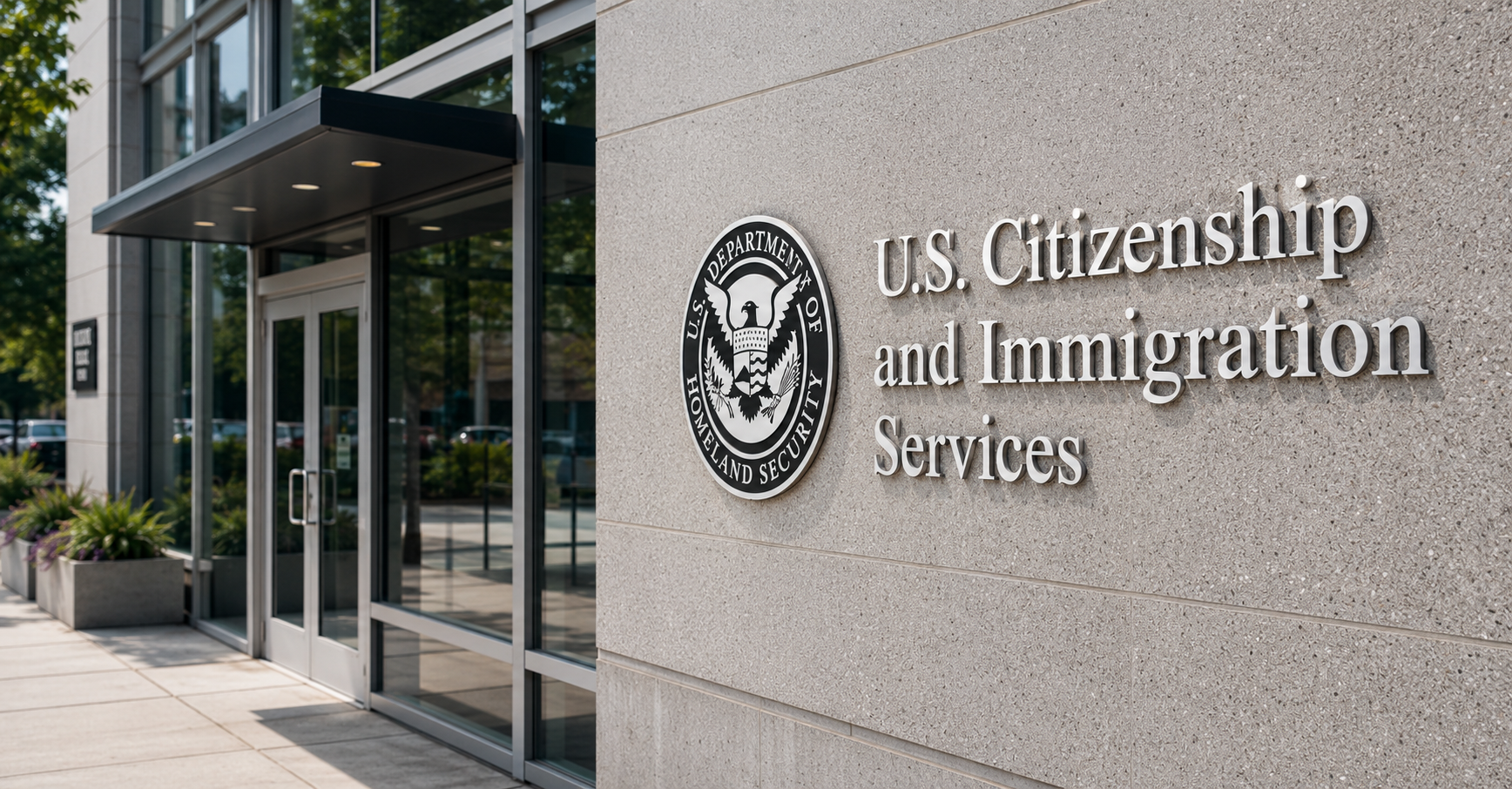
Requirements of the I-601A Provisional Unlawful Presence Waiver | Eligibility & Process Guide
Considering an I-601A Waiver? Learn who may qualify, including the qualifying relative and extreme hardship requirements, eligibility criteria, and what happens after approval.
Recent reviews from our clients on Google
Read all 884 reviews on Google“I am very satisfied with the staff who answer each of my calls and give me the confidence to move forward with my case. I know I’ve only just started and the wait is long, but I have the full support of attorney Elizabeth Rosario and her team, and that gives me a lot of confidence! Thank you, attorney Elizabeth.”
Ana
September 2026
“First, thanks to God and to lawyer Elizabeth. Today everything went very well with the biometrics. I am very grateful. When another place told me no, she said here we can, and here are the results. Greetings, and may she continue fighting for our people.”
Israel G.
September 2026
“First of all, I would like to thank Attorney Elizabeth’s entire team for their daily work and kindness. My husband and I are extremely happy with the service and how they handle their work. I highly recommend them to anyone. Don’t hesitate to contact Attorney Elizabeth if you are looking for an immigration lawyer. I recommend her 100%. Best regards and blessings.”
Sarahi S.
September 2026
Reviews are written by clients and published on Google. Each describes that person’s own experience; past results do not guarantee a similar outcome in your case.

Requirements of the I-601A Provisional Unlawful Presence Waiver | Eligibility & Process Guide
The I-601A Waiver, officially known as the Application for Provisional Unlawful Presence Waiver, allows certain immigrant visa applicants to request a provisional waiver of the 3-year or 10-year unlawful presence bar before leaving the United States for their immigrant visa interview.
Eligibility depends on the applicant’s immigration history, qualifying relative, immigrant visa process, and ability to establish extreme hardship. This information is provided for educational purposes only and should not be considered legal advice.
What Is an I-601A Waiver?
The I-601A Waiver, also known as the Provisional Unlawful Presence Waiver, allows certain eligible immigrant visa applicants to request a waiver of unlawful presence before departing the United States for consular processing.
Under USCIS I-601A requirements, applicants should understand the following:
Unlawful Presence: Form I-601A addresses only the 3-year or 10-year unlawful presence bars under INA § 212(a)(9)(B).
Consular Processing: Eligible applicants may request the provisional waiver while physically present in the United States, before departing for their immigrant visa interview.
Family Separation: The process may reduce the time eligible applicants spend separated from their families while completing immigrant visa processing abroad.
Immigration Limitations: Approval does not grant lawful immigration status, guarantee a Green Card, or waive other grounds of inadmissibility.
Understanding the requirements of the I-601A provisional unlawful presence waiver is important before filing. A Licensed Immigration Attorney can evaluate the specific facts and evidence of a case before recommending an immigration strategy.
Who Qualifies for an I-601A Waiver?
To qualify for Form I-601A, an applicant must meet specific USCIS requirements. Depending on the circumstances, these generally include:
Be physically present in the United States when filing.
Believe they will be inadmissible because of unlawful presence under INA § 212(a)(9)(B).
Have a U.S. citizen or lawful permanent resident spouse or parent who qualifies for the extreme hardship requirement.
Establish that refusing admission would cause extreme hardship to that qualifying relative.
Otherwise satisfy the requirements for the provisional unlawful presence waiver.
Meeting these basic requirements does not automatically mean USCIS will approve the application. Immigration history and other potential grounds of inadmissibility should also be carefully reviewed. Please be advised by a Licensed Immigration Attorney for your particular case.
What Is Extreme Hardship for an I-601A Waiver?
One of the central I-601A Waiver requirements is demonstrating that refusing the applicant admission would cause extreme hardship to a qualifying U.S. citizen or lawful permanent resident spouse or parent.
According to USCIS extreme hardship guidance, evidence may include:
Medical conditions or healthcare needs.
Family ties and responsibilities in the United States.
Country conditions affecting possible relocation.
Special family circumstances, including educational or emotional considerations.
A qualifying relative for I-601A must be a U.S. citizen or lawful permanent resident spouse or parent. USCIS evaluates the evidence and circumstances of each case together. A Licensed Immigration Attorney can evaluate the specific facts and evidence of a case before recommending an immigration strategy.
What Is the Difference Between I-601 and I-601A?
Although Form I-601 and Form I-601A are both immigration waiver applications, they address different circumstances and are not interchangeable.
Form I-601A allows certain eligible immigrant visa applicants to request a provisional waiver of unlawful presence before departing the United States for consular processing.
Form I-601 may be used to request waivers for a broader range of grounds of inadmissibility, when permitted under U.S. immigration law.
The appropriate waiver depends on the applicant’s immigration history, grounds of inadmissibility, and the immigration benefit being sought.
To better understand the difference between I-601 and I-601A, including eligibility requirements and other grounds of inadmissibility, you may also read our I-601 Waiver: Application for Grounds of Inadmissibility (2026 Guide).
I-601A Waiver Checklist: What Documents May Be Needed?
The I-601A Waiver checklist depends on the applicant’s immigration history and evidence supporting eligibility and extreme hardship.
Required documents and supporting evidence may include:
Completed Form I-601A.
Evidence of the underlying immigrant visa case and Department of State fee receipt, when required.
Proof of the relationship to a qualifying spouse or parent, when required.
Evidence of the qualifying relative’s U.S. citizenship or lawful permanent resident status.
Records supporting extreme hardship.
Applicants should review the current USCIS Form I-601A Instructions before filing, as documentation requirements vary by case. Please be advised by a Licensed Immigration Attorney for your particular case.
Frequently Asked Questions
What Is the I-601A Waiver Fee?
The I-601A Waiver fee is the filing fee required by USCIS when submitting Form I-601A. Immigration filing fees can change, so applicants should confirm the current amount using the official USCIS Fee Schedule before filing.
How Long Does It Take for an I-601A Waiver to Be Approved?
The I-601A waiver processing time varies depending on USCIS workloads, case complexity, and requests for additional evidence.
According to USCIS historical processing data, the national median processing time for Form I-601A in fiscal year 2026 was approximately 24.4 months, based on cases completed through August 2026:
This historical median is not a guarantee or a prediction for an individual application.
Applicants should consult the official USCIS Processing Times tool for current case-processing estimates.
Is Form I-601A Hard to Get Approved?
Approval depends on whether the applicant meets the I-601A Waiver eligibility requirements, establishes extreme hardship to a qualifying relative, and merits approval as a matter of discretion.
Potential challenges include:
Insufficient evidence of extreme hardship.
Incomplete or inconsistent documentation.
Failure to establish a qualifying relative according to USCIS.
Immigration history involving inadmissibility concerns.
Because Form I-601A addresses only certain unlawful presence grounds, reviewing other immigration issues before departing the United States is especially important. A Licensed Immigration Attorney can evaluate the specific facts and evidence of a case before recommending an immigration strategy.
Does an I-601A Guarantee a Green Card?
No. An approved I-601A waiver does not guarantee a Green Card or immigrant visa.
Approval does not:
Grant lawful immigration status or work authorization.
Guarantee immigrant visa approval.
Waive other grounds of inadmissibility.
Eliminate the required consular interview abroad.
Applicants must still meet all USCIS requirements for an immigrant visa.
If you would like to learn more about Green Card processing times, USCIS delays, unlawful presence, and immigration waivers, you may also read our USCIS Backlogs 2026 | Green Card Delays, Processing Times & Waivers guide (2026).
What Happens After I-601A Is Approved?
After Form I-601A is approved, applicants must still complete the immigrant visa process through consular processing. Approval does not eliminate the requirement to attend an immigrant visa interview outside the United States.
The next steps generally include:
Continue immigrant visa processing with the U.S. Department of State.
Complete required documentation.
Attend the consular interview at the designated U.S. Embassy or Consulate.
Receive a visa decision and, if approved, seek admission to the United States as a lawful permanent resident.
An approved I-601A addresses only the applicable unlawful presence ground. Other grounds of inadmissibility may affect visa eligibility. A Licensed Immigration Attorney can review your immigration history, qualifying relative, and supporting evidence before recommending the next steps.
Do You Need an I-601A Provisional Waiver?
The I-601A provisional unlawful presence waiver may help certain immigrant visa applicants address the 3-year or 10-year unlawful presence bar before departing the United States for consular processing.
However, eligibility and approval depend on each applicant’s circumstances. A Licensed Immigration Attorney can review your immigration history before recommending the next steps.
📞 [Schedule Your FREE Evaluation Today]
Call Our National Consult Line: (855) 627-2292
We proudly serve clients across all 50 states from our primary offices in Wyoming, Michigan, and Charlotte, North Carolina.
Disclaimer: This content is for general informational purposes only and does not constitute legal advice. Immigration laws change frequently and the information here may not reflect the most current legal developments. Consult an attorney for advice on your specific situation.

Elizabeth Rosario
Founding Attorney
Reviewed October 5, 2026