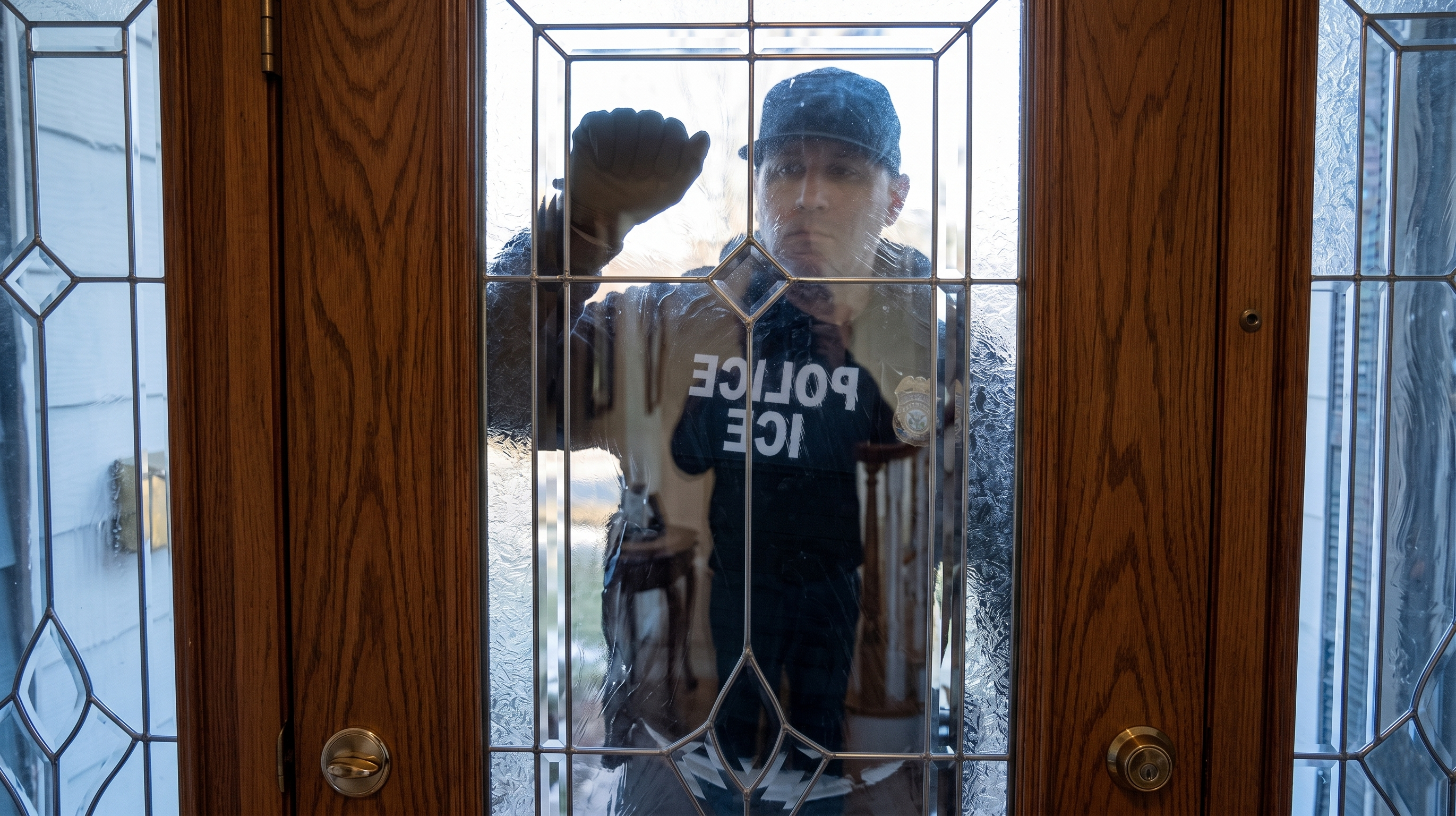
What can I do if ICE comes to my door? | 2026 Guide
If ICE comes to your door, do you have to open it? Learn your constitutional rights, what to say, when ICE can legally enter your home, and how to protect yourself.
Recent reviews from our clients on Google
Read all 884 reviews on Google“I am very satisfied with the staff who answer each of my calls and give me the confidence to move forward with my case. I know I’ve only just started and the wait is long, but I have the full support of attorney Elizabeth Rosario and her team, and that gives me a lot of confidence! Thank you, attorney Elizabeth.”
Ana
September 2026
“First, thanks to God and to lawyer Elizabeth. Today everything went very well with the biometrics. I am very grateful. When another place told me no, she said here we can, and here are the results. Greetings, and may she continue fighting for our people.”
Israel G.
September 2026
“First of all, I would like to thank Attorney Elizabeth’s entire team for their daily work and kindness. My husband and I are extremely happy with the service and how they handle their work. I highly recommend them to anyone. Don’t hesitate to contact Attorney Elizabeth if you are looking for an immigration lawyer. I recommend her 100%. Best regards and blessings.”
Sarahi S.
September 2026
Reviews are written by clients and published on Google. Each describes that person’s own experience; past results do not guarantee a similar outcome in your case.

What can I do if ICE comes to my door? | 2026 Guide
If ICE comes to your door, remain calm, keep your door closed, and ask officers to identify themselves. You can request to see a warrant without opening the door and contact a Licensed Immigration Attorney for guidance. In many situations, ICE officers cannot enter your home without your consent, a valid judicial warrant, or another legally recognized exception.
Knowing your rights before opening the door can help you make informed decisions and protect yourself and your family. This 2026 guide explains what to do if ICE comes to your home. This information is for general educational purposes and is not a substitute for legal advice.
Can I refuse to open the door for ICE?
If ICE is at your house, remaining calm may help you make informed decisions during what can be a stressful situation. Although every encounter is different, many immigration attorneys generally recommend the following initial steps:
Remain calm.
Keep your door closed.
Ask officers to identify themselves.
Request to see any warrant without opening the door.
Contact a Licensed Immigration Attorney as soon as possible.
In many situations, speaking too quickly, volunteering information, or signing documents before understanding their purpose may create unnecessary legal complications. Please be advised by a Licensed Immigration Attorney regarding your specific immigration matter.
Is ICE legally able to go door to door?
Yes, ICE officers can generally go door to door and knock on residential doors as part of immigration enforcement activities. However, approaching a home does not automatically give officers the legal authority to enter it.
The Fourth Amendment protects individuals against unreasonable searches and seizures. In most circumstances, ICE officers need your consent, a valid judicial warrant, or another legally recognized exception to enter your home.
An administrative warrant issued by ICE generally does not provide the same authority as a warrant signed by a judge.
What if ICE Shows Up at My Door?
One of the most common questions people ask is: What if ICE Shows Up at My Door?, If ICE shows up at your door, remain calm and keep your door closed. Ask ICE officers to identify themselves and explain why they are there.
If they claim to have a warrant, request to see it through a window or have it slipped under the door. You may also exercise your right to remain silent and request to speak with a Licensed Immigration Attorney.
Can ICE Arrest U.S. Citizens?
ICE cannot lawfully arrest or detain U.S. citizens solely for immigration violations. However, mistaken arrests or detentions can occur, and U.S. citizenship does not prevent an arrest based on other lawful grounds.
Whether you are a U.S. citizen or an immigrant, important constitutional rights may apply when ICE comes to your door, including:
Fourth Amendment — Protection Against Unreasonable Searches: ICE generally cannot enter your home without your consent, a valid judicial warrant authorizing entry, or another legally recognized exception.
Fifth Amendment — Right to Remain Silent: You can generally decline to answer questions that could incriminate you, including questions about your immigration status.
Sixth Amendment — Right to Legal Counsel: This protection applies in criminal prosecutions. In civil immigration proceedings, individuals generally have the right to hire an attorney at their own expense, but not to a government-appointed attorney.
What if ICE arrests or detains you or someone in your family? Learn more about your rights, legal representation, and what steps to take in our Your Rights During an ICE Arrest or Detention in 2026 guide.

What ICE officers Can and Cannot Do
Understanding what U.S. Immigration and Customs Enforcement (ICE) officers can and cannot legally do may help you protect your constitutional rights during an encounter. Although every situation is different, ICE officers must generally follow constitutional protections and federal procedures.
Can ICE Come to My House?
One of the most common questions is whether ICE can come to your door. ICE officers may visit a residence, but they generally cannot enter a private home without your consent or a valid judicial warrant signed by a judge.
If ICE officers present only an administrative immigration warrant, you may communicate through the closed door while requesting to review the document. Please be advised by a Licensed Immigration Attorney regarding your specific immigration case.
Can ICE Search My Car?
If ICE approaches you during a traffic stop or another encounter, remaining calm and avoiding unnecessary conversation may help protect your legal rights. Depending on the circumstances, you may choose to:
remain silent,
decline consent to search your vehicle, and
ask whether you are free to leave.
If you are detained by ICE, avoid providing false documents or signing paperwork before speaking with an immigration attorney. Every situation is different, and obtaining legal service and guidance as soon as possible may help you understand your rights under the U.S. legal system.
If you are experiencing abuse by a U.S. citizen or lawful permanent resident family member, our What Is VAWA? Eligibility for VAWA Self-Petitions guide explains eligibility requirements, supporting evidence, work permits, adjustment of status, and the protections available under the Violence Against Women Act.
Common Mistakes People Make When ICE Comes to Their Door
If ICE officers are at your door, remaining calm may help you avoid decisions that could affect your immigration case. While every situation is different, immigration attorneys commonly recommend avoiding these mistakes during an encounter with U.S. Immigration and Customs Enforcement (ICE).
Answering Questions Voluntarily
If ICE comes to your door, avoid discussing your immigration status, where you were born, or how you entered the United States before understanding your legal rights. Depending on the circumstances, you may choose to remain silent and request to speak with a Licensed Immigration Attorney.
Opening the Door Too Quickly
If you're wondering "Do you have to open the door for ICE?", the answer is not always. Unless officers have a valid judicial warrant or another legal basis to enter, you may be able to communicate through a closed door while asking to review any warrant.
Signing Documents Without Legal Advice
Do not sign paperwork you do not understand. Some immigration documents may affect your legal rights or immigration proceedings. If possible, ask to speak with an attorney before signing anything.
Providing False Information or Documents
Never present false identification or provide information you know is inaccurate. Doing so may create additional legal consequences under U.S. immigration law.
Arguing or Resisting ICE Officers
If an ICE officer comes to your home, remaining calm and respectful may help prevent the situation from escalating. If you believe your rights were violated, an experienced immigration attorney or or non-governmental organizations (Legal Services New York) can explain your legal options after the encounter.
If you currently have Deferred Action for Childhood Arrivals (DACA), our DACA Renewal in 2026: Can You Still Renew DACA? guide explains renewal requirements, processing timelines, work authorization, and important USCIS updates.
What Happens If You Are Detained by ICE?
Although many encounters with U.S. Immigration and Customs Enforcement (ICE) do not result in ICE detention, understanding your legal rights beforehand may help you prepare for the next steps. Many immigration attorneys generally recommend:
requesting to speak with an immigration attorney before answering questions or signing documents;
exercising your right to remain silent when appropriate;
avoiding signing paperwork until you understand its legal effect; and
asking a trusted family member to help locate you using your A-Number, if one has been assigned.
Because every immigration case is different, speak with a Licensed Immigration Attorney. The detention process, available legal options, and eligibility for release will depend on your individual circumstances.
Speak With a Licensed Immigration Attorney
If ICE has contacted you or visited your home, speaking with an experienced immigration attorney as soon as possible can help you understand your legal options and protect your rights. At Elizabeth Rosario Law, our team represents individuals and families in immigration matters nationwide. We can evaluate your case, explain the next steps, and help you respond appropriately to an encounter with U.S. Immigration and Customs Enforcement.
📞 Schedule Your FREE Evaluation Today to discuss your immigration options and receive legal guidance tailored to your unique situation.
Call Our National Consult Line: (855) 627-2292
We proudly serve clients across all 50 states from our primary offices in Wyoming, Michigan, and Charlotte, North Carolina.
Disclaimer: This content is for general informational purposes only and does not constitute legal advice. Immigration laws change frequently and the information here may not reflect the most current legal developments. Consult an attorney for advice on your specific situation.

Elizabeth Rosario
Immigration Attorney with 14+ years of experience helping families navigate complex immigration matters.