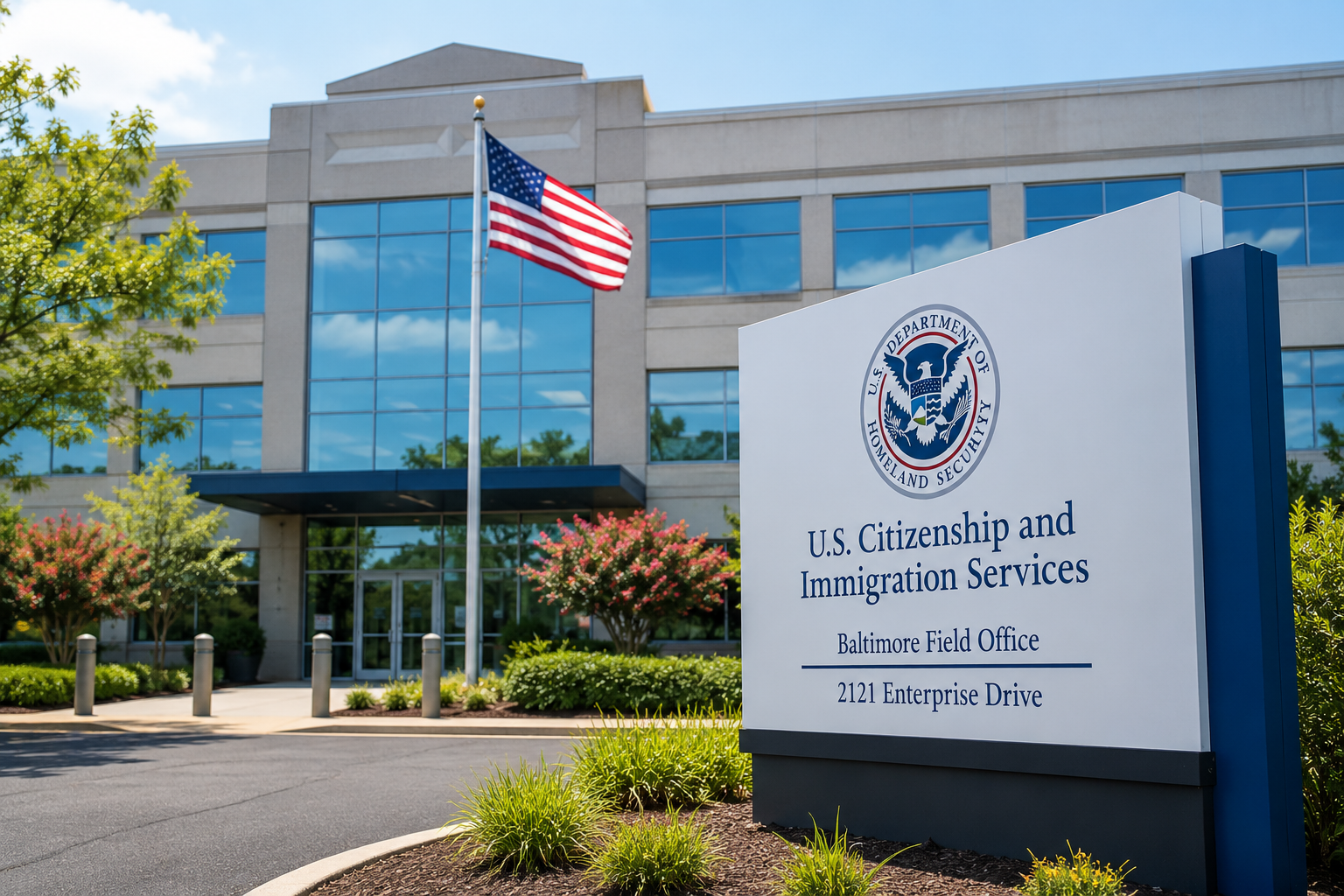
What Is Asylum in the U.S.? Meaning, Requirements & Process in 2026
Asylum is legal protection for people who fear persecution in their home country. Learn who qualifies in the U.S., how the process works, and how asylum differs from refugee status.
Reviews from our clients on Google
Read all 624 reviews of our North Carolina office on Google (as of October 2026)Shown in Spanish, as our clients wrote them.
Clients describe their own cases. Past results do not guarantee a similar outcome.
“Muy buenas personas y muy amables muchas gracias abogada Elizabeth Rosario law y a su equipo por trabajar muy duro para nuestra comunidad migrante estoy muy agradecido con ella porque nunca tira la toalla siempre busca la forma de resolver las cosas saludos y bendiciones🙏 abogada 🙂”
Hiram V.
September 2026
“Buenos Días y Gracias a Dios y al Equipo de la Abogada Elizabeth Rosario hay Esperanza en mi Caso Muchas Gracias son muy Amables al Darte la Información y Responder Cada Pregunta muy Buenas Personas Dios Los bendiga”
Juana H.
September 2026
“Muchas gracias fue muy amable de su parte me solucionó mi duda y me facilito ASER mi trámite gracias dios los bendiga los recomiendo 💯 de 💯”
Leticia R.
October 2026
Reviews are written by clients and published on Google. Each describes that person’s own experience; past results do not guarantee a similar outcome in your case.

What Is Asylum in the U.S.? Meaning, Requirements & Process in 2026
If you or your family had to leave your home country because of threats, violence, or persecution, you may be wondering whether you can find protection in the United States.
Asylum is a form of immigration protection for people who cannot safely return home because they experienced persecution or fear future persecution for specific reasons recognized under U.S. law.
But what does asylum mean, who can qualify, how is it different from refugee status, and how does the process work? Understanding the basic requirements can help you identify which details may matter in your situation and what steps you may need to consider.
Every case is different, and results are not guaranteed. It is important to consult with a Licensed Immigration Attorney for your particular case. This information is general and does not constitute legal advice.
What Does Asylum Mean in Immigration?
Asylum is a form of legal protection that the U.S. government may grant to people who are already in the United States or arriving at a U.S. border and cannot safely return to their home country because they have experienced persecution or have a well-founded fear of future persecution.
Under U.S. immigration law, the fear of harm must be connected to at least one of five protected grounds:
Race: Harm or threats because of a person's racial identity.
Religion: Persecution because of religious beliefs, practices, or identity.
Nationality: Harm because of a person's nationality or national identity.
Political opinion: Persecution because of actual or perceived political beliefs.
Membership in a particular social group: Harm connected to belonging to a group recognized under U.S. asylum law.
For example, a person who is threatened because of their political activities or religious beliefs may have a reason to explore asylum.
However, living in an unsafe country, experiencing crime, or facing economic hardship does not automatically establish eligibility. The circumstances must meet the legal requirements.
What does it mean if someone is in asylum?
The term asylum seeker describes someone who has requested protection but has not yet received a final decision.
There are three common terms to understand:
Asylum seeker: Someone who has requested protection but has not yet received a final decision.
Applicant with a pending asylum case: Someone whose application is still being reviewed by immigration authorities or the immigration court.
Asylee: Someone who has been granted asylum and received legal protection in the United States.
Filing an application for asylum immigration does not mean the government has approved the case.
What Is the Difference Between a Refugee and an Asylum Seeker?
Both refugees and people seeking asylum may need protection because they fear persecution in their home country:
A refugee is generally screened and approved for admission through the U.S. Refugee Admissions Program before entering the country as a refugee.
An asylum seeker requests protection through the U.S. asylum system.
The main difference is generally where they are when they request protection and which process they use:
Refugee | Asylum seeker |
|---|---|
Generally applies for protection while outside the United States. | Requests protection while in the United States or upon arrival. |
Goes through the U.S. refugee admissions process. | Usually applies through USCIS or immigration court. |
Must meet the legal definition of a refugee and other admission requirements. | Must meet the legal definition of a refugee and asylum requirements. |
Is an asylum seeker already a refugee?
Not necessarily. Someone seeking this protection may have experienced persecution or fear returning home, but their claim still needs to be reviewed. If asylum is granted, the person becomes an asylee.
Who Qualifies for Asylum in the United States?
To qualify for asylum, and possibly receive asylum seeker rights, a person generally must meet the legal definition of a refugee under U.S. immigration law.
This involves more than explaining why they left their home country. Immigration authorities consider the type of harm, why it happened, and whether the person can safely return.
Five important elements help explain the asylum usa process:
1. You experienced persecution or fear future persecution
The harm must be a well-founded fear of persecution to meet the legal meaning of persecution.
Examples may include:
Physical violence.
Flee persecution
Kidnapping.
Serious threats.
Other severe forms of harm.
A person does not always need to have experienced persecution in the past. A well-founded fear of future persecution may also support a claim.
The right option depends on your immigration law history and current situation. It is important to consult with a Licensed Immigration Attorney for your particular case.
2. The harm is connected to a protected ground
The persecution must relate to at least one of these five grounds:
Race.
Religion.
Nationality.
Political opinion or membership in a particular social group.
For example, general crime or economic hardship alone usually does not establish an asylum claim. The applicant must explain the connection between the feared harm and a protected ground.
3. The government cannot or will not protect you
Persecution may come directly from government authorities. It may also come from private individuals or groups when the government is unable or unwilling to provide protection.
For example, someone receiving serious threats from a group may need to explain why local authorities cannot or will not protect them.
4. You cannot safely relocate within your home country
Immigration authorities may consider whether you could reasonably move to another part of your country and live safely.
If the threat exists throughout the country, or the people responsible can find you elsewhere, this may affect the evaluation.
5. You meet the filing deadline and other asylum seeker requirements
Most applicants must file Form I-589 within one year of their last arrival in the United States.
Certain exceptions may apply when there are changed or extraordinary circumstancess, but the applicant must meet additional requirements.
These requirements do not guarantee approval. USCIS or an immigration judge reviews the evidence, testimony, and individual circumstances before making a decision.
How Does the Asylum Process Work in the USA?
The two main application processes are affirmative asylum and defensive asylum.
They are different application processes, not two different types of protection:
1. Affirmative asylum
A person who is not in removal proceedings generally requests affirmative asylum through U.S. Citizenship and Immigration Services (USCIS).
The process typically includes:
Completing Form I-589, Application for Asylum and for Withholding of Removal.
Filing the application according to the current USCIS instructions.
Attending required appointments, including biometrics when scheduled.
Attending an asylum interview.
Receiving a decision or, in certain circumstances, having the case referred to immigration court.
2. Defensive asylum
Defensive asylum is requested as protection against removal from the United States. The application is considered by an immigration judge during immigration court proceedings.
The process may involve:
Filing or updating Form I-589 according to court instructions.
Attending scheduled hearings.
Providing testimony and supporting evidence.
Answering questions from the government attorney and immigration judge.
Receiving a decision from the court.
Some decisions may be appealed through the Board of Immigration Appeals (BIA), depending on the circumstances and applicable deadlines.
Important: Do not assume that you can wait until you receive a court notice to explore your options. The one-year filing deadline may apply even if you are not yet in immigration court. It is important to consult with a Licensed Immigration Attorney for your particular case.
What Is the One-Year Deadline for Applying for Asylum?
In most cases, a person must submit Form I-589 within one year of their last arrival in the United States.
There are limited exceptions, including:
Changed circumstances: A significant change that affects eligibility, such as changes in conditions in the home country or the applicant's personal circumstances.
Extraordinary circumstances: Certain situations that explain why the applicant could not file within the required period.
Even when an exception may apply, the person generally must file within a reasonable period after the relevant circumstances arise. The reason for the delay, important dates, and available evidence may matter.
What Can Disqualify Someone From Asylum?
Meeting the basic requirements does not automatically mean someone can receive protection. U.S. immigration law includes restrictions that may prevent an applicant from receiving asylum.
Depending on the circumstances, possible issues include:
Missing the one-year filing deadline without a qualifying exception.
Certain serious criminal convictions.
Having firmly resettled in another country before arriving in the United States.
Participating in the persecution of another person.
Certain national security or terrorism-related grounds.
A prior denial or other legal restrictions.
Some restrictions require a detailed legal review by the asylum officers. For example, an arrest is not necessarily the same as a conviction, but applicants should disclose relevant information when seeking legal guidance.

What Rights Do Asylum Seekers Have in the United States?
An asylum seeker with a pending application and someone who has already received asylum do not have the same immigration status or benefits.
A pending application does not automatically provide permanent residents, other immigration status or permission to work.
After receiving asylum, an asylee generally may:
Remain in the United States under asylum status.
Work legally in the United States.
Request eligible family members to receive derivative asylum status.
Apply for a Green Card after meeting the applicable requirements, generally after one year of physical presence following the asylum grant.
Can asylum seekers work in the United States?
Some people with pending asylum applications may qualify to apply for an Employment Authorization Document (EAD).
In general, an applicant may file Form I-765 under the pending-asylum category after the required 150-day waiting period, subject to applicable USCIS rules.
Delays caused by the applicant may affect the waiting period, and additional requirements apply. A pending application alone does not grant permission to work. It is important to consult with a Licensed Immigration Attorney for your particular case.
If you are wondering What are the main types of work visas in the USA? you may like to learn about how to apply to EAD, and how long does it take to get a work permit in the U.S. Read our guide How to Get a U.S. Work Permit: EAD and Form I-765.
Frequently Asked Questions About Asylum in the United States
Is it hard to get asylum in the USA?
The process can be difficult because applicants must meet specific legal requirements and support their claims with credible testimony and evidence. Each case is different, and approval is not guaranteed.
What are the five criteria needed to qualify for asylum?
An applicant generally must show persecution or a well-founded fear of persecution, a connection to one of the five protected grounds, government involvement or inability to provide protection, no reasonable safe relocation option, and compliance with filing deadlines and other legal requirements.
What are the two types of asylum?
The two main application processes are affirmative asylum, handled initially by USCIS, and defensive asylum, considered by an immigration judge during removal proceedings.
Can my spouse and children receive asylum with me?
In certain circumstances, an applicant may include an eligible spouse and unmarried children under 21 in the application. An eligible spouse or child may also qualify for derivative asylum after the principal applicant receives approval.
Family relationships and eligibility requirements matter, so each person's situation should be reviewed.
Does applying for asylum mean I can stay in the United States permanently?
No. Filing an application does not automatically grant permanent immigration status. If the government approves the claim, the person receives asylee status and may later apply for a Green Card if they meet the requirements.
How much does it cost to apply for asylum?
Asylum application fees have changed under recent federal legislation. An initial filing fee and an annual fee for certain pending applications may apply.
USCIS has also announced a court injunction affecting enforcement of certain consequences for failure to pay the Annual Asylum Fee. This does not mean applicants should assume that all fees are waived.
Before submitting Form I-589 or making a payment, review the latest USCIS filing instructions and any notices received about your case.
Are the USA Still Accepting Asylum Seekers?
U.S. immigration law provides a process for people who are physically present in the country to request asylum, subject to statutory restrictions and other applicable rules.
However, being allowed to request protection does not automatically mean someone will be permitted to enter, remain in the country, or receive an asylum hearing. Procedures at a port of entry and other border-related policies may affect how a claim is handled.
Rules and procedures can change. Anyone considering seeking protection at the border should obtain current, case-specific legal information before making decisions about travel or entry.
Understand Your Asylum Options Before Taking the Next Step
Every asylum case has its own facts, timeline, and legal considerations. Your experiences, the reason you fear returning home, your entry and immigration history, and the evidence available may all affect your options.
If you are unsure whether you qualify for asylum or what to do next, a conversation with the Elizabeth Rosario Law team can help you understand which details may matter and what steps you may want to consider.
Call (646) 960-6953 or Schedule your FREE Initial Evaluation through the blog's form. A 15-minute conversation can give you an opportunity to share your circumstances, ask questions, and discuss possible next steps with our team.
We proudly serve clients across all 50 states from our primary offices in Wyoming, Michigan, and Charlotte, North Carolina.
Disclaimer: This content is for general informational purposes only and does not constitute legal advice. Immigration laws change frequently and the information here may not reflect the most current legal developments. Consult an attorney for advice on your specific situation.
Stay Informed
Get the latest immigration news, law changes, and legal tips delivered directly to your email.

Elizabeth Rosario
Founding Attorney
Reviewed November 12, 2026