Share this article:
Who Can Apply for VAWA? 2026 Guide
Legal Tips

Who Can Apply for VAWA? 2026 Guide

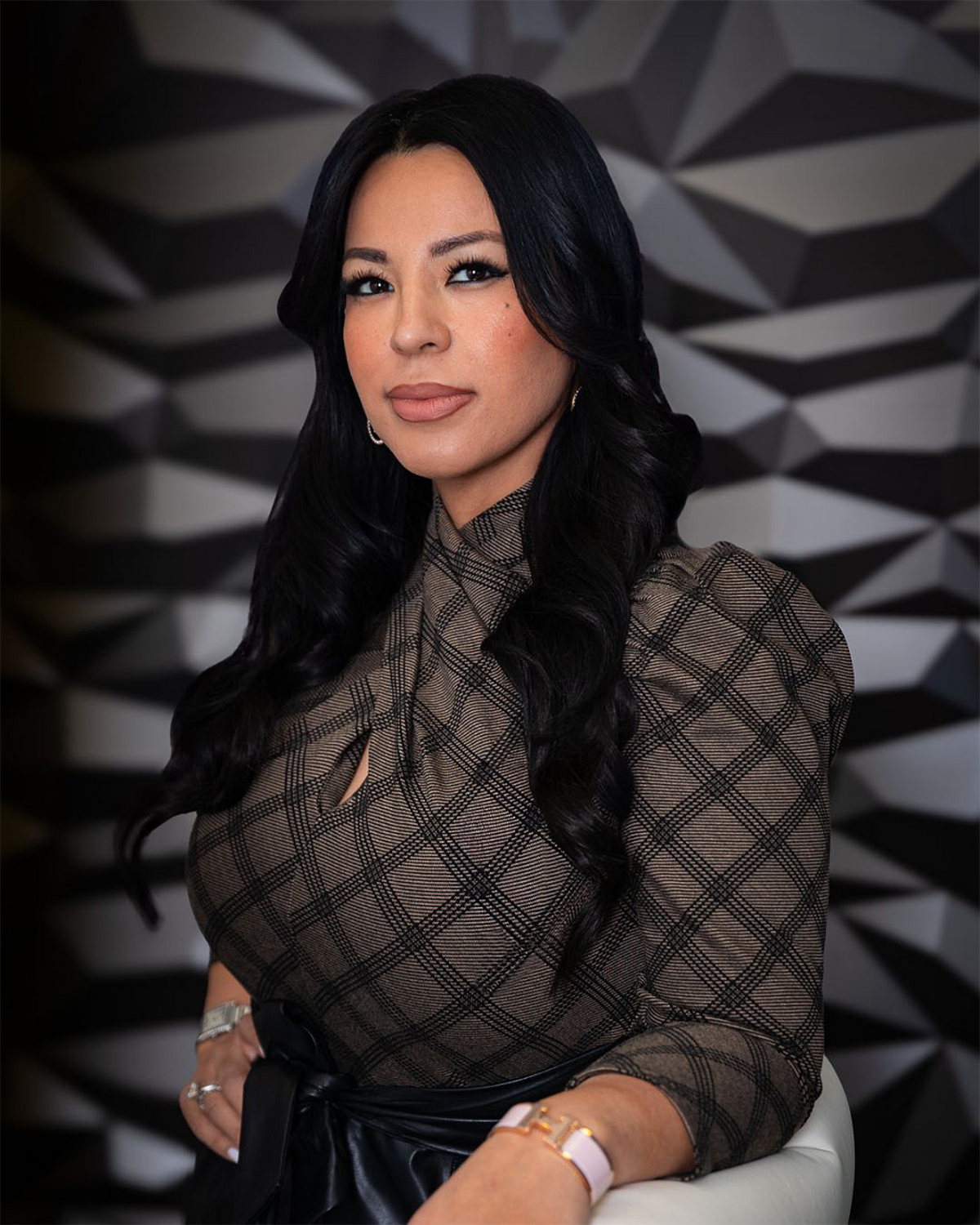
Elizabeth Rosario
April 16, 2026Updated: May 15, 2026
24 min read

The Violence Against Women Act (VAWA) was created to protect survivors of physical harm, and we know how to help you prove your case.

If you are a victim of physical domestic violence, you may be asking: What is VAWA? or Who is eligible for VAWA? Most importantly, you need to know: Will my abuser find out if I apply? 

Who Can Apply for VAWA? (2026 Guide) 

At Elizabeth Rosario Law, we are here to tell you the truth. You can seek legal status and safety without your abuser ever knowing. The Violence Against Women Act (VAWA) was created to protect survivors of physical harm, and we know how to help you prove your case. 

Will My Abuser Find Out If I Apply for VAWA? 

The answer is a firm no. USCIS follows strict privacy rules to keep you safe from the person who harmed you. 

Federal law (8 U.S.C. Section 1367) bans the government from sharing any info about your VAWA application with your abuser. At our firm, we ensure your path to a new life is private and secure at every step. 

1. How does VAWA keep you safe? 

VAWA is more than just a Form I-360; it is a legal shield. Here is how it protects you: 

  • Total Privacy: Government workers can be fined or fired if they share your details with your abuser. 

  • A "Safe" Mailing Address: You can use a P.O. Box or our law office address. This way, no immigration letters ever arrive at the home you share with the abuser. 

  • Independent Process: You do not need the abuser’s signature, help, or consent. They do not even need to know you are applying. 

  • No Contact Rules: Immigration officers are not allowed to call your abuser to "verify" your story. They know that doing so would put you in danger. 

What is VAWA and How Can It Help Me? 

What is VAWA? It is a powerful federal law that allows victims of physical abuse to apply for their own legal status independently. 

In a standard marriage visa, the U.S. citizen spouse "holds the power" over the paperwork. VAWA cases change that. It allows for a VAWA self-petition, meaning you apply for your own Green Card on your own terms. 

Our immigration attorneys understand that abusers use a person's status to scare them. VAWA is designed to take that power away and give you your life back. 

How Do I Know If I Qualify for VAWA? 

A common mistake is thinking that the "Violence Against Women Act" is only for women. At Elizabeth Rosario Law, we want to be clear: VAWA is for everyone. 

Abuse does not discriminate. Whether you are a man, woman, or non-binary, if you have suffered physical harm from a family member with legal status, the law is here to protect you. 

VAWA Eligibility Requirements 

To see if you qualify for a VAWA self-petition, you must meet these four main rules: 

  • The Relationship: You are (or were) the spouse, child, or parent of a U.S. citizen or a Green Card holder. This includes people who divorced their abuser in the last two years. 

  • The Physical Abuse: You suffered physical harm (battery) at the hands of that family member. 

  • Living Together: You lived with the abuser at some point. You do not have to live with them right now. 

  • Good Moral Character: This means you are a law-abiding person. We help you prove this through your background and community history. 

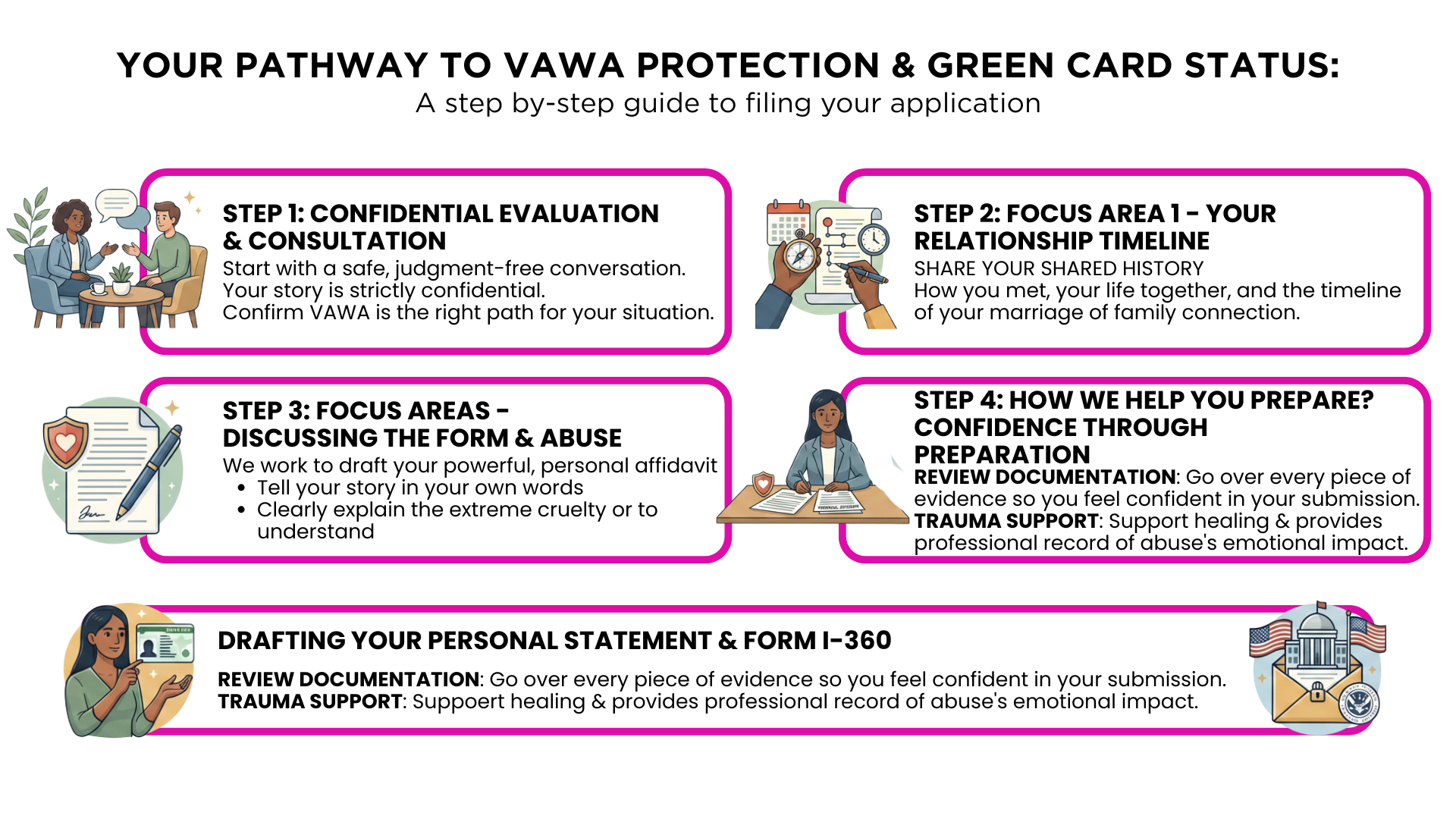
How to submit my VAWA application? (Step-by-Step) 

Taking the first step toward legal status can feel like climbing a mountain. At Elizabeth Rosario Law, we break the VAWA process 2026 into five easy steps. 

Our immigration lawyers handle the hard legal work so you can focus on your healing. Here is how we move forward together: 

Step 1: A Safe and Private Talk 

Everything starts with a private talk. This is a safe space to tell your story. We listen to the details to confirm that VAWA is the best path for your safety. 

Step 2: Gathering Your Evidence 

Evidence is your "legal shield." We help you collect the records needed to prove your case. Do not worry if you don't have "perfect" records. We know abusers often hide or destroy papers. We focus on: 

  • Proof of Relationship: Marriage or birth certificates. 

  • Proof of Living Together: Lease agreements, utility bills, or mail. 

  • The Abuser’s Status: Copies of their U.S. Passport or Green Card

  • Evidence of Physical Abuse: Medical records, police reports, or photos of injuries. Your own personal statement (affidavit) is also a powerful tool. 

Step 3: Preparing Form I-360 

The heart of your case is Form I-360. We work with you to write a detailed statement in your own words. This letter explains the physical harm you suffered so the officers at USCIS understand your reality. 

Step 4: Private Filing with USCIS 

We file your VAWA application directly with a special unit at USCIS that only works with survivors. Most importantly, we use a safe mailing address. This ensures that no receipts or fingerprint appointments ever arrive at the home where the abuser could see them. 

Step 5: Getting Your Green Card 

Once your petition is approved, you have reached a major goal! This often allows you to apply for an Adjustment of Status. This is the final step to becoming a Green Card holder and securing your future. 

Can Men Qualify for VAWA? 

It is a common myth that VAWA is "only for women." At Elizabeth Rosario Law, we want to be very clear: Abuse does not care about gender, and neither does the law. 

We have helped many men find safety and legal status through a VAWA self-petition. Whether you are a husband, a son, or a father, you have the exact same rights to protection. If you are suffering from physical harm caused by a U.S. citizen or Green Card holder family member, you can stand up for yourself. You are not alone. 

1. I’m already divorced—can I still apply? 

Yes! We know that sometimes you must leave a marriage to stay safe. You can still file for VAWA if: 

  • You file within two years of the day your divorce was final. 

  • You can show that the physical abuse was a reason for the divorce. 

2. Including your children in your case 

When you seek safety, your first thought is your children. The good news is that you can include your unmarried children (under age 21) in your VAWA application. This includes: 

  • Your biological children. 

  • Children the abuser adopted. 

  • Step-children (in most cases). 

Just like you, your children’s names and info will stay private. The abuser will never find out they are part of the case, ensuring your whole family moves toward a better future together. 

Parent-Child Abuse Cases 

Sometimes the abuser is not a spouse, but a parent. If you are under age 21 (or up to age 25 in some cases) and your U.S. citizen or Green Card holder parent has physically abused you, you may qualify. We know family situations are painful, and our immigration attorneys are here to guide you through these sensitive rules. 

Can I Get a Work Permit Through VAWA?  

Abusers often use money to control their victims. They might stop you from working or keep you from having a bank account. At Elizabeth Rosario Law, we want you to know that the law gives you a path to your own paycheck and freedom. 

When can I start working legally? 

The great news is that you do not have to wait until your case is finished to work. You can apply for a work permit at the same time you file your VAWA self-petition

By filing Form I-765 along with your petition, you put yourself on the fastest track to a job. A work permit gives you more than just money; it gives you: 

  • A Legal Identity: The right to work anywhere in the United States. 

  • Your Own Social Security Number: A key step to building your own credit. 

  • A Driver’s License: In most states, a pending case lets you get a license. 

  • Freedom: You will no longer depend on your abuser for money. 

Your Privacy is Protected at Work 

Many survivors worry that an employer will find out about their abuse. Under VAWA, your privacy follows you to your job: 

  • Total Privacy: Your employer gets your work card, but they never see that it came from a VAWA case. 

  • Private Renewals: When it is time to renew your permit, the process stays private. 

  • Separate Records: Your job records are kept away from the details of your physical abuse case. 

How Does USCIS Protect Your Files? 

Since you apply without the abuser knowing, USCIS uses high-security rules to protect your file. 

  • Safe Mail: All mail goes to a safe address you choose, like a P.O. Box or our law office. The abuser will never see a letter in the mailbox. 

  • Restricted Access: Only special officers trained in domestic violence can see your records. They are kept in a separate, secure system. 

  • No Unexpected Calls: USCIS will never call you at work without your permission. They only use the phone numbers you give them. 

What Happens to My Children if I Apply to VAWA? 

As a parent, your first thought is always: "Are my children safe?" At Elizabeth Rosario Law, we know that the fear of being separated from your kids is often what keeps you from seeking help. 

When you apply for VAWA, you are not just opening a door for yourself. You are opening a door for your children to have legal safety too. 

Can I Include My Children in My Case? 

Yes! Immigration law allows you to include your unmarried children under the age of 21 in your VAWA self-petition. This means they can get the same legal benefits as you. 

  • Safety Together: Your children do not need to be victims of physical abuse themselves to be included. As long as you qualify, they can join your journey to become a Green Card holder

  • Protection for Step-Children: Even if they are not the biological children of your abuser, they may still be included. This usually applies if you married the abuser before the child turned 18. 

  • Protection for Adult Children (Up to 25): In special cases, if a child can show that the abuse caused a delay in filing, they may still be included up until they turn 25. 

Total Privacy for Your Family 

Abusers often use threats like: "I will have the kids taken away." Under VAWA, those threats lose their power. 

  • Their Names are Safe: Your children’s names, home address, and school info are protected by law. USCIS is banned from sharing this with the abuser. 

  • No Tips to the Abuser: The government will not contact your child's school or doctor. This ensures the abuser never finds out about your application by accident. 

A Path to a Better Future 

When your VAWA application is approved, your children can also: 

  • Apply for a Green Card: They get permanent legal status right along with you. 

  • Work Legally: If they are old enough, they can apply for their own work permits. 

  • Go to College: Legal status opens doors to higher education and financial aid. 

If Your Child Was the Victim 

If your U.S. citizen or Green Card holder spouse physically abused your child, you can file for VAWA even if you were not abused yourself. The law recognizes that protecting your child from physical harm is a priority for the whole family. 

What Will They Ask Me at the Interview?  

The thought of an interview can feel scary, especially when you have to talk about painful memories. At Elizabeth Rosario Law, we have some good news: not every VAWA case needs an interview. 

If your written records and personal story are strong, USCIS may approve your case without ever asking you to step into an office. However, if they do ask for an interview, remember that it is a space for your protection, not for judgment. 

A Different Kind of Interview 

A VAWA interview is very different from a normal marriage green card meeting. Most importantly, your abuser will never be there. The law bans the government from telling the abuser about the interview. To help you feel safe, USCIS follows these steps: 

  • Trauma-Trained Officers: Your interview is led by an officer trained to understand domestic violence and how it affects the mind. 

  • Your Choice Matters: You can ask for a male or female officer if it makes you feel more comfortable. 

  • A Support System: You do not have to face this alone. You can have your immigration attorney or an interpreter by your side. 

What Kind of Questions Will They Ask? 

The officer is not there to "catch" you. They want to confirm that you are eligible for protection. They usually focus on two areas: 

  1. Your Relationship: Questions about how you met and your life together as a family. 

  1. The Physical Abuse: They will ask you to talk about the physical harm you suffered. We know this is the hardest part. It is okay to take a moment, breathe, or ask for a break if you feel emotional. 

How We Help You Prepare 

We believe that being prepared is the best way to stay calm. We work with you to: 

  • Review Your Records: We go over every photo, medical report, and letter so you feel ready. 

  • Organize Your Story: We help you clear your thoughts so you can tell your story with confidence. 

  • Safe Scheduling: USCIS takes extra steps to make sure you never cross paths with your abuser at the office. Your safety is always the priority. 

Working with your (future) immigration attorney 

You do not need to be a legal expert to get the protection you deserve—that is our job. Having the team at Elizabeth Rosario Law on your side means having a professional shield between you and the legal system. 

Your Secret is Safe With Us 

When you work with an immigration lawyer, you have a special protection called "Attorney-Client Privilege." Think of it as a legal vault for your secrets: 

  • Total Privacy: We are banned by law from sharing your story, your history, or where you live with anyone without your okay. 

  • A Safe Space: You can be 100% honest about the physical harm you have suffered. These talks are protected and help us win your legal status

  • Private Strategy: Our plan to get your Green Card stays secret. This ensures that no one can try to get in the way of your case. 

Choosing the Right Partner for Your Journey 

When you look for help with a VAWA case, you need more than someone who just fills out forms. You need a specialist who: 

  • Has Deep Experience: With over 10 years of experience, Elizabeth Rosario Law knows exactly what USCIS officers look for in a winning case. 

  • Understands Trauma: You deserve a team that knows how pain affects memory. We treat you with the patience and kindness you need. 

  • Speaks Your Language: You should be able to tell your story in the language you speak best. 

  • Knows Physical Abuse Laws: You need a lawyer who knows how to prove physical harm to the government using the right records and photos. 

How We Protect Your Privacy 

We are your first line of defense. We protect your privacy by: 

  1. Acting as Your "Safe Address": We receive all your official mail from USCIS. Your abuser will never see a government letter in the mailbox. 

  1. Managing All Calls: If the government has a question, they call us, not you. This prevents any accidental contact that could put you in danger. 

  1. Fighting for You: If you need a private interview time or special security, we fight to make sure those rules are in place before you ever walk into a building. 

Is VAWA the same as a restraining order? 

Many clients ask us this question. It is important to know the difference. While both tools keep you safe, they work in very different ways. 

At Elizabeth Rosario Law, we can help you with both. However, you should know that you do not need a restraining order to apply for VAWA. 

Understanding the Differences 

Think of a restraining order as a shield for your daily safety. VAWA is a legal shield for your long-term future in the United States. 

Restraining Orders (Orders of Protection): 

  • Purpose: To keep the abuser away from you, your home, or your job right now. 

  • The Process: These cases happen in local or state courts. 

  • Notification: The abuser will find out. They must be given "papers" so the police can enforce the order. 

  • The Result: The police can arrest the abuser if they try to come near you. 

VAWA (Immigration Protection): 

  • Purpose: To give you legal status and a path to a Green Card. You will no longer depend on the abuser to stay in the U.S. 

  • The Process: This is a federal process handled only by USCIS

  • Notification: This is a private process. The abuser is never told and cannot participate. 

  • The Result: You get a work permit, a Social Security number, and a path to stay here forever. 

Do they work together? 

Yes! You can do both at the same time. If you have a restraining order, it is powerful evidence for your VAWA application. It helps prove the physical harm you suffered. 

However, if you are afraid that a court order will make the abuser angry, you can still file for VAWA in total secret. Your safety plan is personal. We are here to support your choice, whether you need physical distance now or peace of mind for the future. 

VAWA Common Questions 

We know that when you are in a situation of abuse, you weigh the risks of every move. To help you feel safe, we have gathered the most frequent questions survivors ask at Elizabeth Rosario Law

1. Will my spouse find out if I apply? 

No. Under federal law, USCIS is banned from telling your spouse about your VAWA application. These rules are very strict. Any government worker who breaks them can be fired or fined. At our firm, we act as your legal team, so all mail goes to us—never to your home. 

2. What if my abuser has government connections? 

This is a scary thought, especially if the abuser is in the police, the military, or has political friends. However, VAWA privacy rules are federal law. They are stronger than any personal or job connections. The USCIS officers who handle these cases work in a secure, secret location far away from local offices to prevent anyone from interfering with your case. 

3. I’m already divorced, can I still apply? 

Yes. Many survivors think that if the marriage ends, their chance for legal status ends too. This is not true. You can still file a VAWA self-petition if: 

  • You file within two years of your divorce being final. 

  • The physical abuse happened during the marriage. 

  • The abuse was a reason for the divorce. 

4. My father abused me—can I apply? 

Yes. VAWA also protects children of abusers. If you were physically harmed by a parent who is a U.S. citizen or Green Card holder, you can file. Generally, you must file before you turn 21. However, in some cases, you can apply up until age 25 if the abuse caused a delay. 

5. Can I move during my VAWA case? 

Yes! Moving to a safer place is often part of a good safety plan. Your case travels with you. If you need to move to get away from your abuser, we will help you: 

  • Update your address: We use Form AR-11 to keep the government informed. 

  • Keep a "Permanent" Address: We use our law office address for your mail. Even if you move many times, your records stay safe in one place. 

  • Absolute Secrecy: Your new home address is hidden in the USCIS system so it is never shared with your abuser. 

What About Digital Evidence and Online Privacy? 

While the government builds a legal wall around your case, you must make sure your "digital wall" is just as strong. Abusers often use technology to monitor or control their victims. At Elizabeth Rosario Law, we help you turn your digital footprint into a powerful tool for your case. 

Protecting Yourself Online 

While USCIS keeps your case private, you should take these steps to protect your daily privacy: 

  • Check Social Media: Set your profiles to the highest privacy levels. Be careful about what you post, as mutual friends might show your info to the abuser. 

  • Turn Off Location Sharing: Many apps tag where you are. Check your phone settings and turn off "Location Services" for apps you don't need. 

  • Change Your Passwords: If your abuser has ever used your phone or computer, assume they know your passwords. Use new passwords that are hard to guess and use a password manager with a fingerprint lock. 

  • Save Evidence of Harassment: If your abuser sends threatening texts, emails, or messages, do not delete them. These are vital pieces of digital evidence. Take screenshots and store them in a safe, hidden folder or a secret cloud account. 

Getting Help and Support 

If you are thinking about a VAWA application, remember that you have a community ready to help you: 

  • National Domestic Violence Hotline: Call 1-800-799-7233 anytime (24/7). They offer safety plans and support. 

  • Immigration Attorneys: Our team understands the link between safety and immigration law. We are here to protect your rights. 

  • Support Groups: Talking with other survivors helps you realize you are not alone. 

The VAWA process exists to protect survivors like you. You have the legal right to seek safety, a work permit, and a permanent home in the United States without fear. 

Ready for the next step?  

Knowing that your abuser will not find out about your VAWA application is the first step toward your freedom. It is the key to searching for your immigration status with peace of mind. Remember: you do not have to face this alone. 

By learning about the privacy laws, gathering your physical abuse evidence, and working with a dedicated legal team, you can turn fear into confidence. 

Start Your VAWA Process Today 

If you are ready to apply for VAWA and need legal advice, Elizabeth Rosario Law is here to protect you. Don't wait any longer to secure your rights and your future in the United States. 

  • Take the first step: Get the legal status you deserve. 

  • Share this guide: Help other family members who might be in danger. 

  • Protect your future: Ensure your rights are safe under the law. 

Have you started gathering your records yet? Contact us now to schedule your free case evaluation. Let’s build your path to a safer life together.

Disclaimer: This content is for general informational purposes only and does not constitute legal advice. Immigration laws change frequently and the information here may not reflect the most current legal developments. Consult an attorney for advice on your specific situation.
VAWA confidentiality
VAWA requirements 2026
Can men apply for VAWA
VAWA work permit
Violence Against Women Act immigration
Elizabeth Rosario Law VAWA
VAWA self-petition
Domestic violence immigration protection
E

Elizabeth Rosario

Author

Immigration Attorney with 14+ years of experience helping families navigate complex immigration matters.
Immigration Law AttorneyLicensed Attorney

Newsletter

Subscribe to our newsletter for important immigration law updates and resources for your case.

We respect your privacy. You can unsubscribe at any time.

Need Immigration Guidance?

Our experienced team is ready to help you with your immigration matters. Get a free case evaluation today.

Call Now